Fulani Heritage Village

Rooted in the essence of Fulani heritage, this living residency honors our identity through cuisine, storytelling, and craftsmanship. Inspired by ancestral rhythms and the resilience of Indigenous women, it breathes life into generations of wisdom.
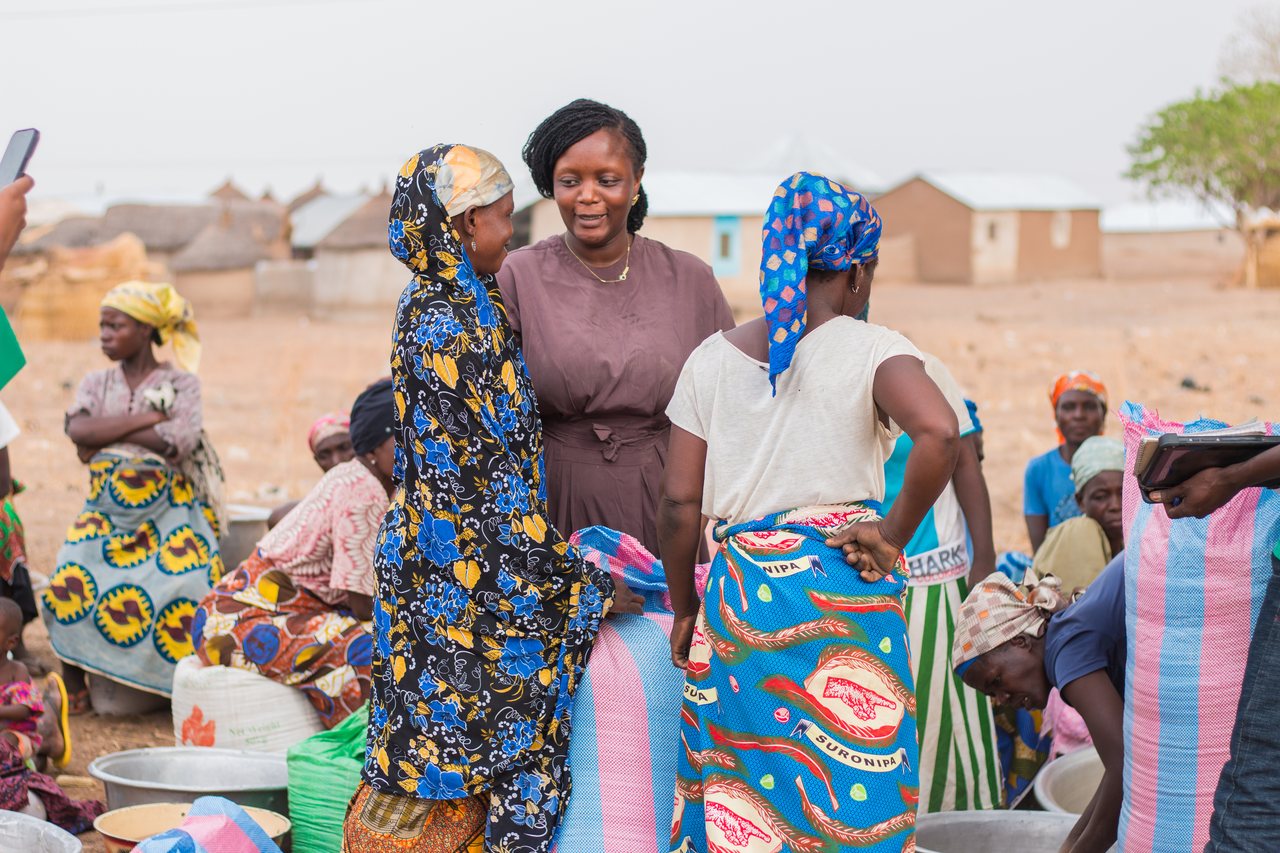
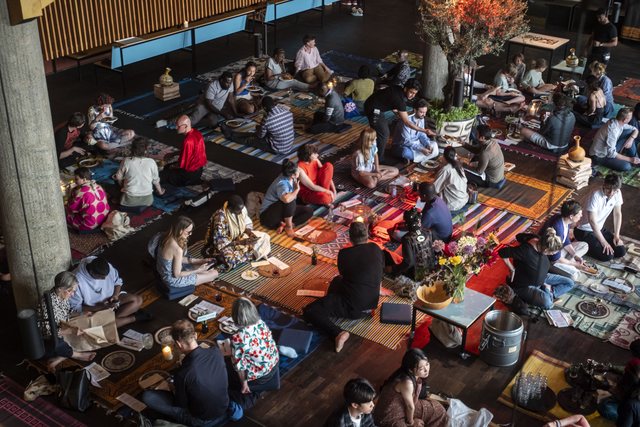
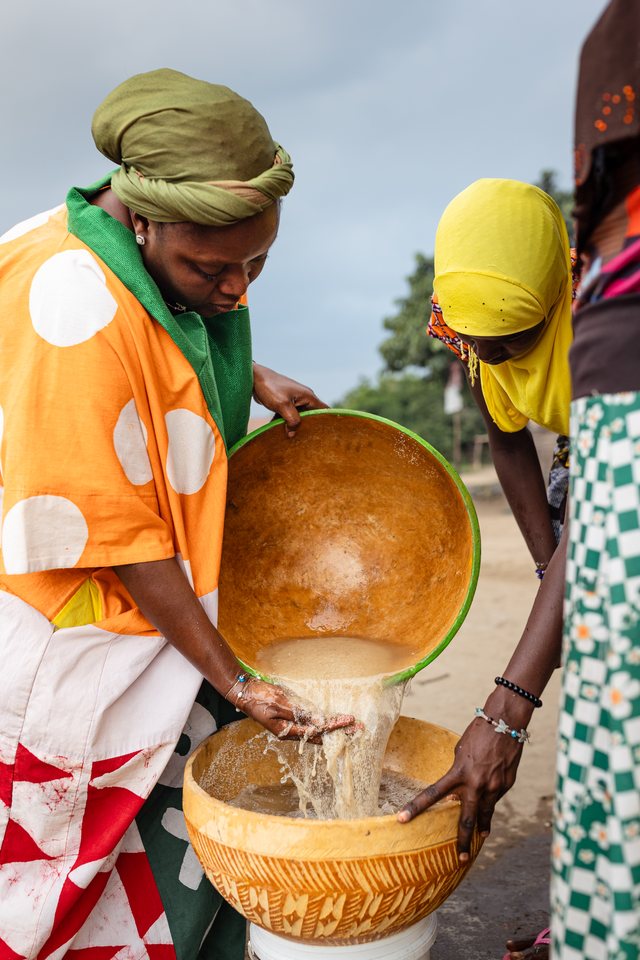
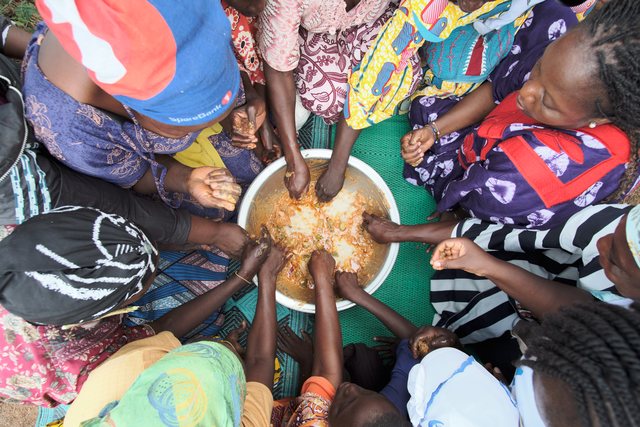
What began as Dine on a Mat, a communal meal and sacred gathering, has evolved into a deeper offering: a space for learning, cultural exchange, and preservation. Guests are welcomed to see where the food comes from. The hand-harvested ingredients, the stories, and techniques passed from elders to the next generation.
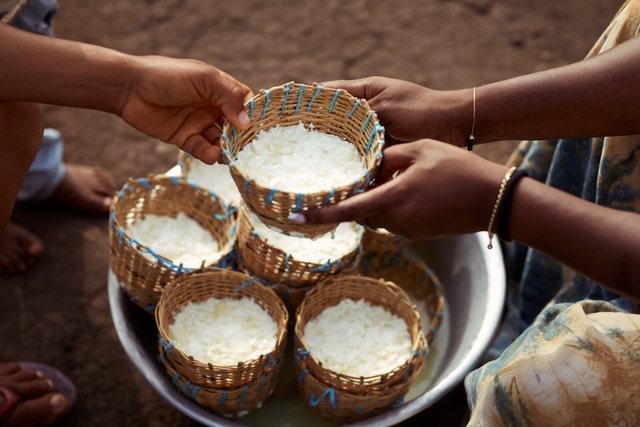
At its heart is fonio, an ancient grain that holds the spirit of our past and the seed of our future. Through fonio, we reconnect with sacred foodways and time-honored practices.
Fulani at a glance
As one of the world’s largest groups of nomadic people, Fulani have long lived across expansive regions of West and Central Africa. Originally from the Senegambia region, the Fulani people eventually migrated east, setting up communities and kingdoms across the Sahel, from the lush mountain plateaus of Guinea and a semi-arid river valley in Senegal to the vast plains of Chad.
- Language
- Fulfulde or Fula
- Estimated population today
- ~38 million
Ingredient spotlight
Fonio
Cultivated in West Africa for more than 5,000 years, fonio is an ancient, fast-growing, climate-resilient grain.
Wagashi
A soft cheese made by Fulani women from cow’s milk, often colored with sorghum leaves.
Kosam (also known as nono)
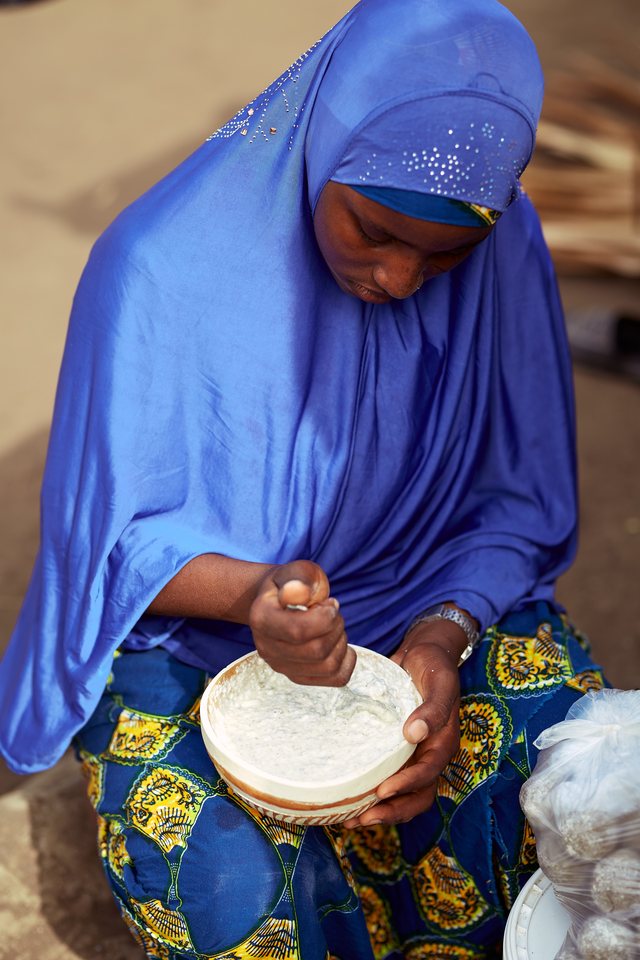
Fermented milk, which is the heart of a pastoralist kitchen.
Craft and tradition
The architecture of the Village is built from the same materials and in the same forms that have sheltered Fulani communities for generations. Grass, millet stalks, clay, and reeds are woven together as a celebration of tradition.
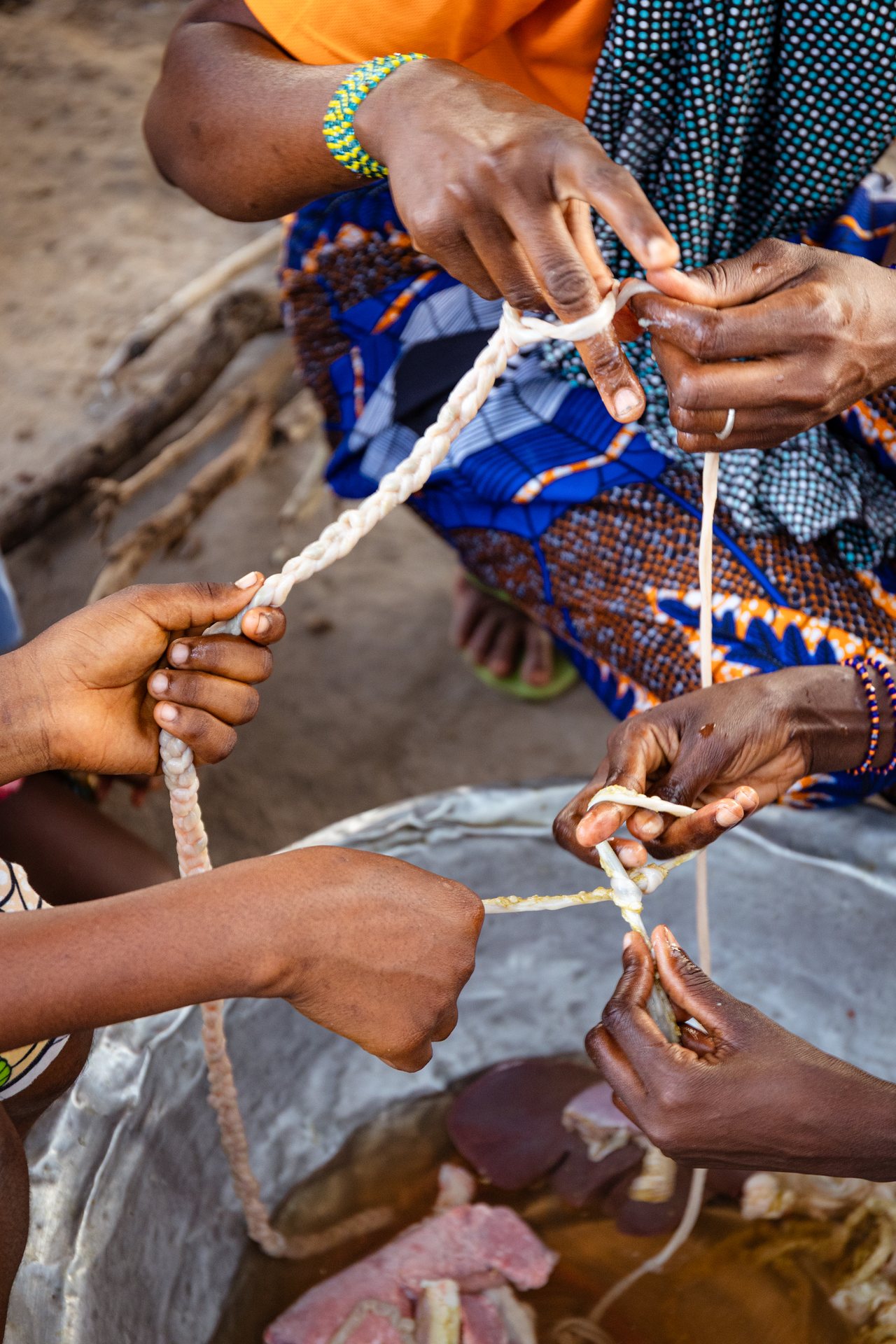
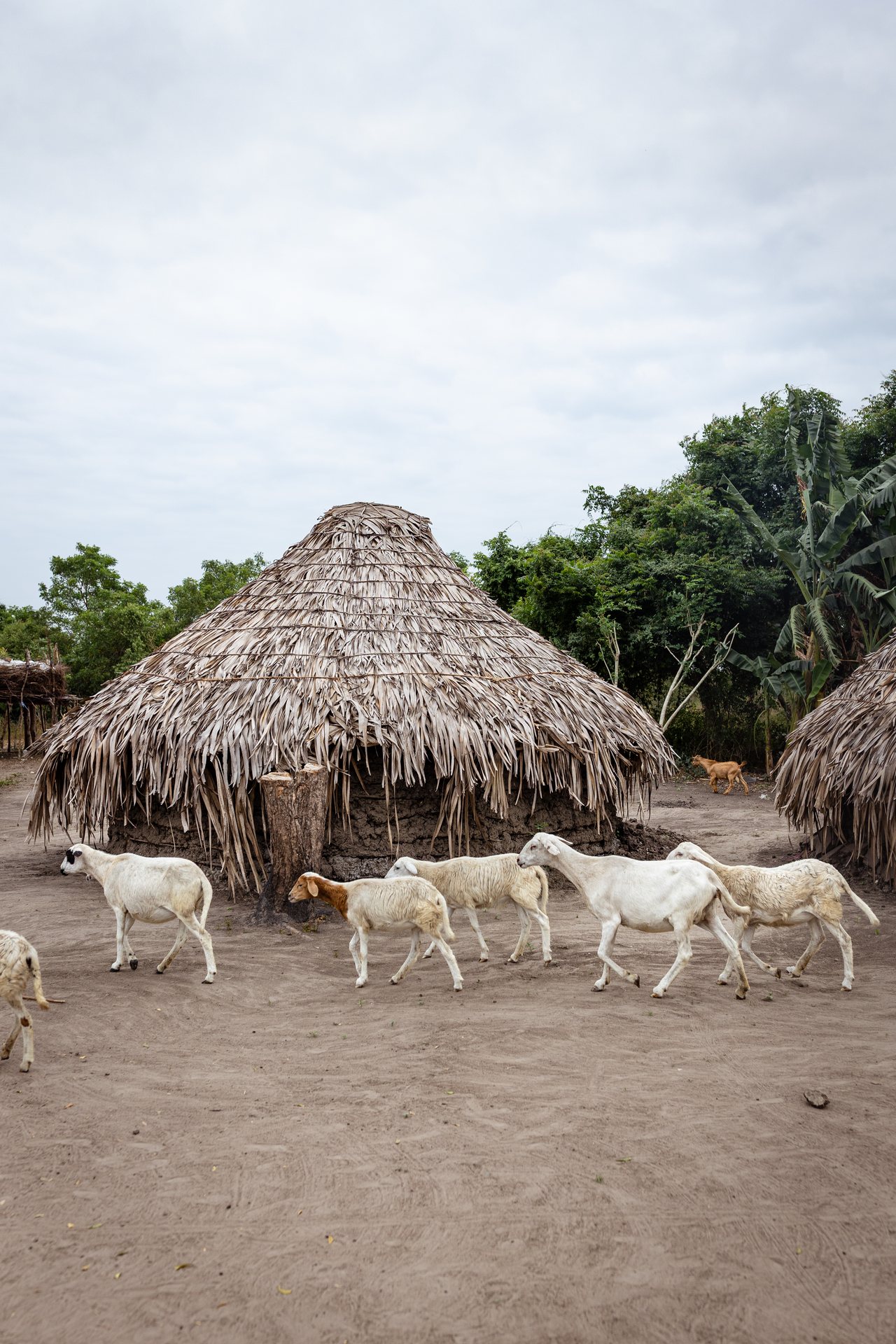
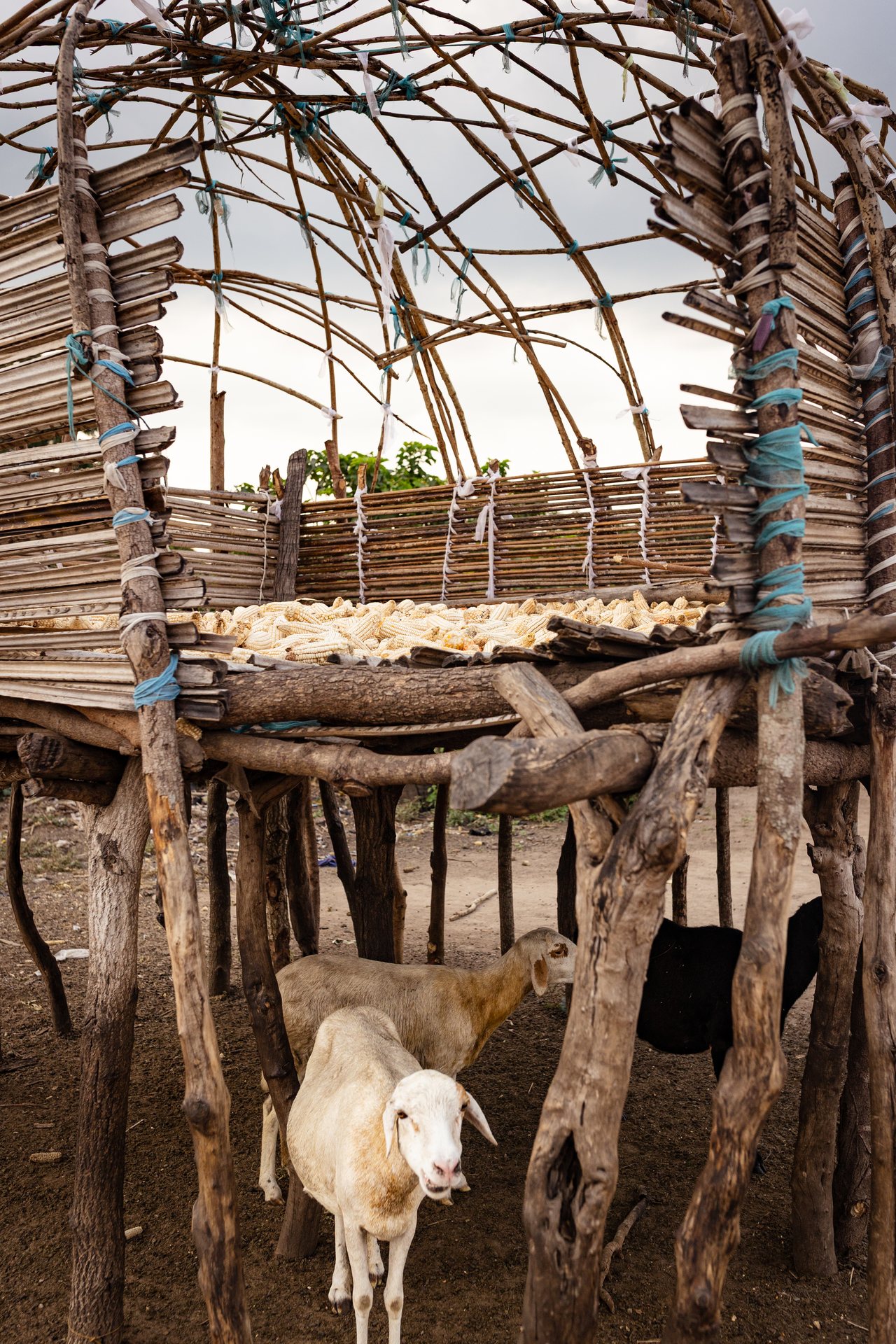
This work is carried forward by the Fulani Kitchen Foundation, which supports the women farmers behind it.
The power of fonio: a grain for the future
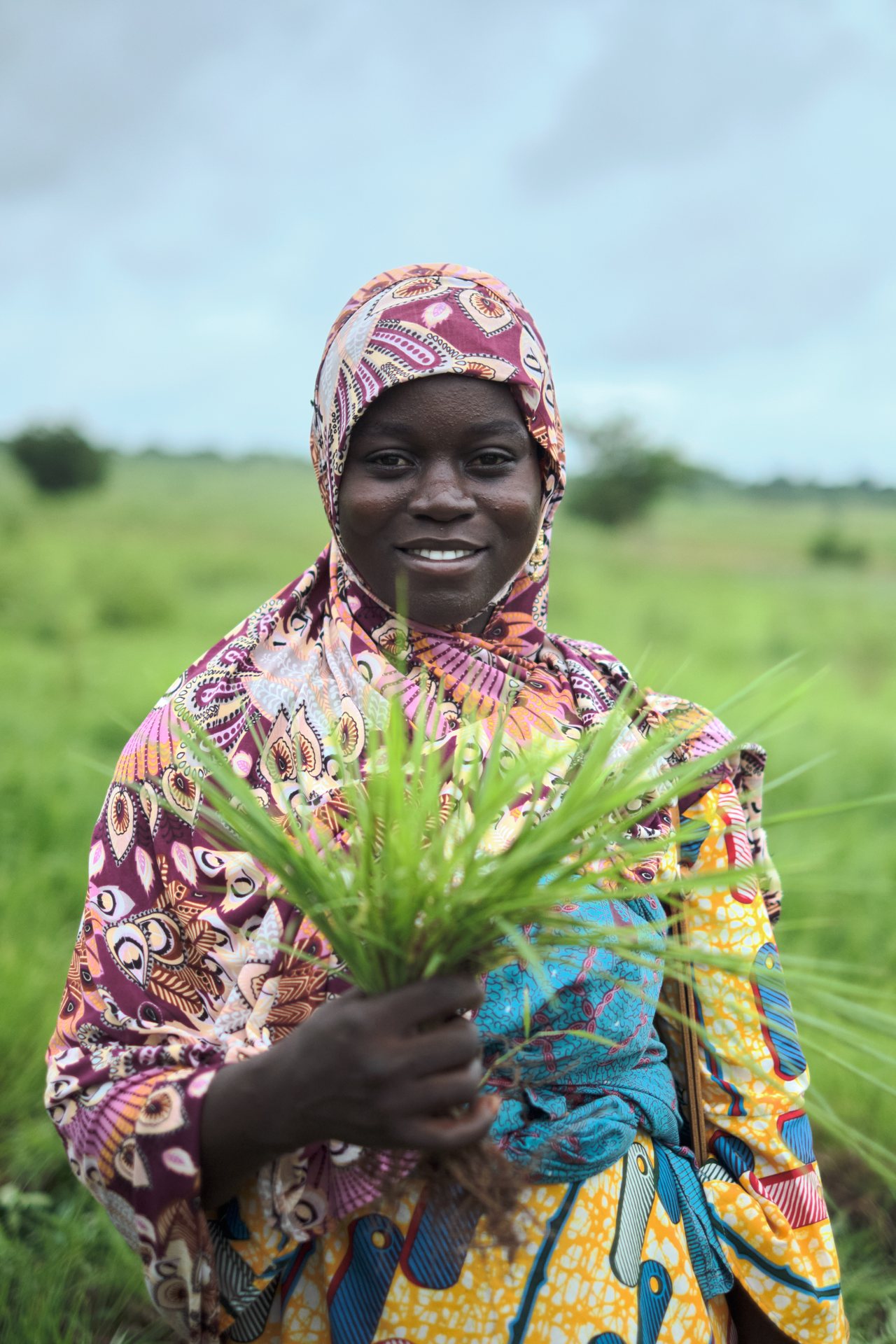
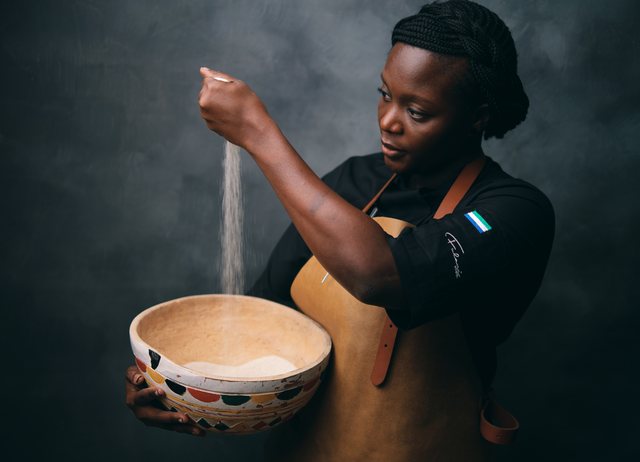
At the heart of Chef Binta’s work is fonio, an ancient West African grain celebrated for its nutrition, versatility, and climate resilience.
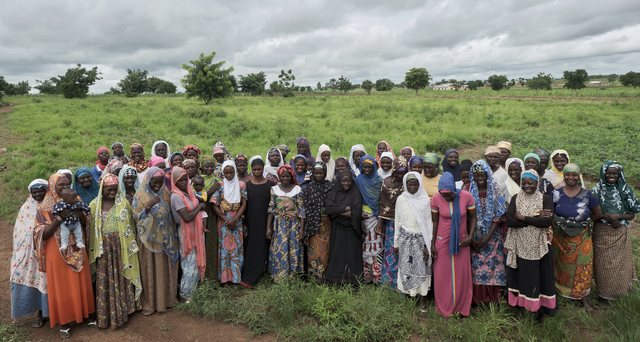
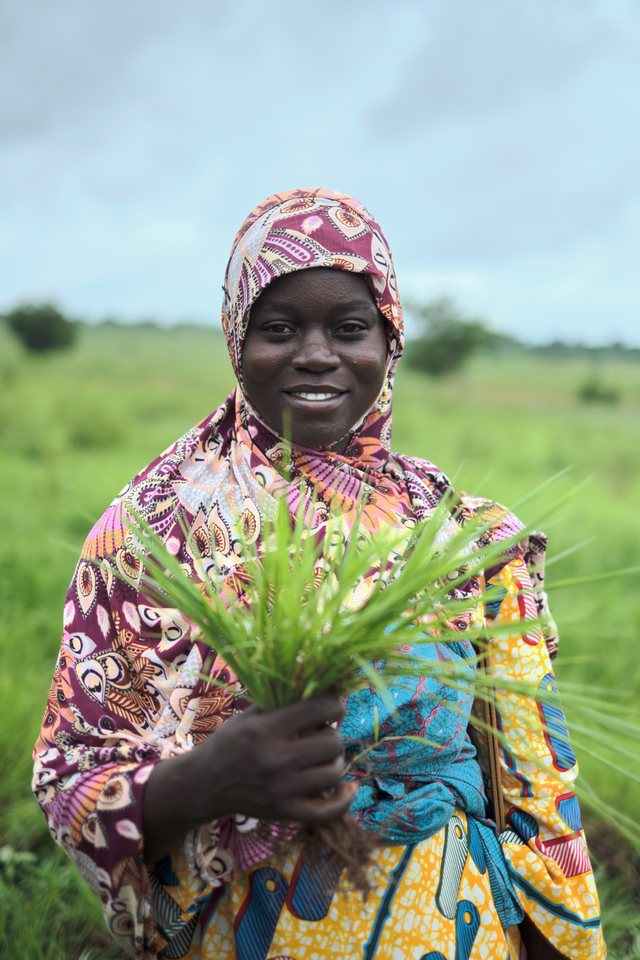
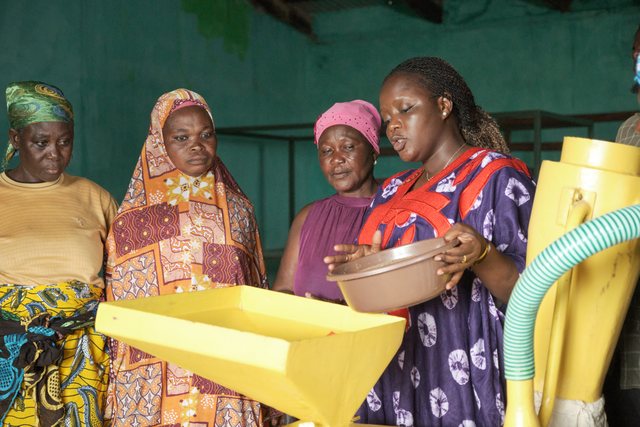
Through the Fulani Kitchen Foundation, launched in 2020, Chef Binta partners with women farmers in Northern Ghana to increase fonio production, improve processing, and expand market access. By preserving indigenous food systems and creating sustainable livelihoods, she champions fonio as both a cultural treasure and a solution for Africa’s food security challenges.
Fonio is also one of the fastest-growing grains, requiring little to no irrigation and thriving on rainfall alone in soil too poor and dry for most staple crops.
In her own words
 Play · 0:16